After 11 years of working as an early childhood educator, I have attended countless school transition meetings. I’ve seen parents stress over whether their child knows their alphabet or can count to twenty. But here is the secret that many qualified early childhood educators will tell you: school readiness isn’t about early academics. It is about the "whole child."

When your child walks through those school gates for the first time, their ability to navigate complex emotions—like frustration when a puzzle piece won't fit or sadness when they miss you at lunch—is far more important than their ability to write their name. Reading emotion books for kids and starting school stories provides a safe, low-pressure container for children to rehearse these feelings before they actually experience them in pre literacy activities the classroom.
School Readiness: It’s About the Whole Child
Transitioning to primary school is a monumental shift. By focusing on social-emotional intelligence, we set our children up for long-term success. While occupational therapists often emphasize motor skills and speech pathologists focus on communication, these professionals all agree on one thing: a child who can identify and articulate their emotions is a child who is ready to learn.
Empathy and respect are not just abstract values; they are daily practices. When we read stories that highlight how characters treat one another, we are building the neural pathways required for cooperative play and conflict resolution.
Top Recommended Emotion Books for Kids
Choosing the right books can act as a bridge between the home environment and the schoolyard. Here are some of my personal favorites for fostering emotional literacy:
- "The Color Monster" by Anna Llenas: This is a masterpiece for helping children identify complex, messy emotions and organize them into colors. It is perfect for children struggling to articulate feelings like anger, joy, or fear. "The Kissing Hand" by Audrey Penn: A classic for a reason. It addresses the "separation anxiety" monster that often rears its head during the first week of school. "Wemberly Worried" by Kevin Henkes: Excellent for children who tend to fixate on "what if" scenarios regarding the new environment. "Pete the Cat: Rocking in My School Shoes" by Eric Litwin: A wonderful, low-stress book that familiarizes children with school vocabulary and routines. "In My Heart: A Book of Feelings" by Jo Witek: This book uses beautiful imagery to help children understand how feelings can shift throughout the day.
Play-Based Learning: The Laboratory for Emotional Growth
You don't need a formal curriculum to build these skills. Everyday play-based learning activities are the best tools we have. By engaging in these activities at home, you create windows of opportunity to talk about feelings:
- Blocks: Building towers is inherently frustrating. Use this time to label the emotion: "I see you're feeling frustrated that the block tower fell. That’s okay! Let’s breathe together and try again." Puzzles: These require persistence. When a child can't find a piece, it’s a perfect moment to discuss "trying again" and the pride of accomplishment. Art materials & Playdough: Tactile play is a stress reliever. Encourage your child to "sculpt" their feelings. "Does your playdough monster look angry or happy today?" Child-safe scissors: Learning to cut requires focused attention and fine motor control. If they struggle, talk about the "learning curve"—a great lesson in resilience.
Independence Skills: Building Confidence Through Self-Help
Emotional regulation is closely tied to physical independence. A child who can handle their own belongings feels more in control of their day, which reduces anxiety. Occupational therapists often emphasize that independence in self-care is a huge boost to a child’s self-esteem.
Checklist for Home Practice:
Toileting: Can they manage their clothing, wipe independently, and wash their hands thoroughly? Practice these routines at home using a visual checklist. Dressing: Focus on independent coat zipping, shoe fastening, and managing bag zippers. Belongings: Practice packing and unpacking their school bag. Knowing exactly where their water bottle is can save them from a meltdown. Lunchbox and eating skills: This is crucial. Can they open their food containers, peel a banana, or unscrew a water bottle? If they can't, speech pathologists often suggest practicing with the same containers they will use at school to build muscle memory and confidence.Hygiene Routines and School Transition Supports
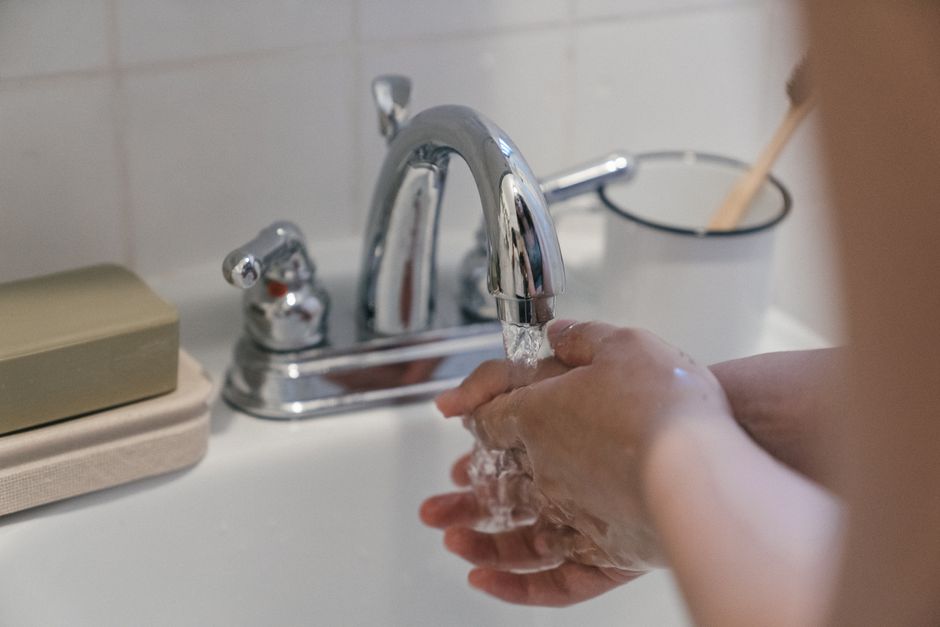
Beyond the classroom, hygiene is a social skill. Proper handwashing and sneezing into an elbow are ways of showing empathy and respect for their peers' health. When practicing these at home, keep it light and fun—perhaps a song while scrubbing hands.
Make sure to utilize the resources provided by the school. Orientation visits and information sessions are not just for parents—they are for the children to get a "preview" of the environment. If your school offers these, prioritize them. Walking the halls, seeing the toilets, and spotting their future classroom helps remove the "fear of the unknown."
Reference Table: Building Emotional Readiness
Skill Area The "Why" Practical Strategy Emotional Literacy Builds vocabulary to express needs Read emotion books daily; use "feeling check-ins." Lunchbox Independence Reduces social stress at lunchtime Practice opening containers during weekend picnics. Fine Motor/Play Develops resilience and focus Use child-safe scissors for art projects; solve puzzles. Self-Help Routines Encourages autonomy Establish a morning routine checklist with pictures.Final Thoughts: The Parent-Educator Partnership
As you approach the school start date, remember that your child will take their emotional cues from you. If you are anxious, they will be anxious. If you approach this transition with curiosity and a sense of adventure, they are much more likely to follow your lead.
Remember that you are not alone in this. Qualified early childhood educators, along with school staff, are partners in this transition. Use your orientation visits and information sessions to ask questions about how the school handles big emotions and conflict resolution. When you align your language at home with the language used at school, you create a seamless, supportive experience for your child.
Most importantly: keep reading. Whether it’s a story about a nervous badger or a triumphant cat, these starting school stories are the seeds of confidence. Empathy, respect, and independence are the three pillars of a successful start. With these in place, your little one won't just be ready for school—they will be ready to thrive.