Review sessions are crucial moments in middle school classrooms. They help students consolidate knowledge, clarify misconceptions, and prepare for assessments. But all too often, review can become a passive, monotonous experience where students simply reread notes or blur out answers while others tune out. As a middle school ELA and social studies teacher with over a decade of experience and a department lead who coaches new teachers, I’ve learned that setting up effective progress indicators during reviews can transform engagement and deepen learning.
In this post, I’ll share strategies centered on active retrieval, team-based thinking, and meaningful gamification. You’ll learn how to use ohmypuns.com tools like team challenges with simultaneous answer reveals, a scoring system that rewards thoughtful explanations, and student question-writing to create a dynamic and student-centered review environment.
Why Use Progress Indicators in Review Sessions?
Before diving into specific tools and methods, let’s clarify the why behind using progress indicators during review sessions.
- Active Retrieval Beats Passive Review: Research shows that actively recalling information strengthens memory more than just rereading. Progress indicators encourage students to retrieve information rather than passively consume it. Protects Think Time: Teams structured properly prevent rapid-fire “buzzing” or blurting out answers. This creates think time that allows deeper processing. Promotes Collaboration: Teams working together and tracking progress foster peer discussion and scaffolded learning. Drives Motivation: Light gamification, such as board progress or level trackers, makes review feel like a meaningful challenge rather than a chore. Encourages Metacognition: When students explain their answers or identify errors in others’ responses, they engage critically, increasing understanding. Student Ownership: Involving students in crafting questions empowers them and supports ownership of learning.
Setting Up Your Review Session With Progress Indicators
Step 1: Organize Groups and Set Clear Roles
Effective team structure is the foundation. Teams allow students to discuss, think aloud, and avoid the temptation of blurting answers.
- Teams of 3-4: Small enough for all voices to be heard, large enough for diverse ideas. Assign Roles (optional): Recorder, spokesperson, timekeeper, and fact-checker. Roles can rotate to keep involvement fresh. Establish Rules: No blurting answers; one person speaks at a time; everyone must contribute before answering.
Step 2: Create a Board Progress or Level Tracker
The heart of progress indicators is a visual tracker that shows how teams advance through the review material. This can be a physical board or digital display.
Option Description Why It Works Board Progress Tracker A large chart with team names on the side, milestones or questions as columns. Teams move a marker forward for correct or described answers. Visible progress motivates teams; creates friendly competition; builds classroom community. Level Tracker Teams “level up” by completing clusters of questions or topics, with checkpoints and mini-milestones. Gamifies review with incremental achievements; clarifies goals.Step 3: Use a Team Challenge With Simultaneous Answer Reveal
To avoid one team dominating by blurting answers or others disengaging while waiting, use simultaneous answer reveals:
Ask a question aloud or display it on the board. Give teams think time (about 1-2 minutes) to discuss and jot down their answer. On the count of three, all teams reveal their answers simultaneously. Discuss why answers are correct or incorrect. Award points and move progress markers accordingly.This structure keeps think time protected and makes every team accountable for contribution rather than speed. It also levels the playing field so teams cannot simply overhear or overpower others.
Step 4: Score to Reward Explanations and Error Identification
A scoring system that values more than just correct answers deepens understanding and engagement:
- Correct Answer + Explanation (2 points): Teams get extra points when a team member clearly explains their reasoning. Identifying Why Another Answer is Wrong (1 point): After answers are revealed, encourage teams to respectfully spot and explain errors in other teams’ reasoning to earn bonus points. Partial Credit (1 point): For answers that show some understanding, even if incomplete.
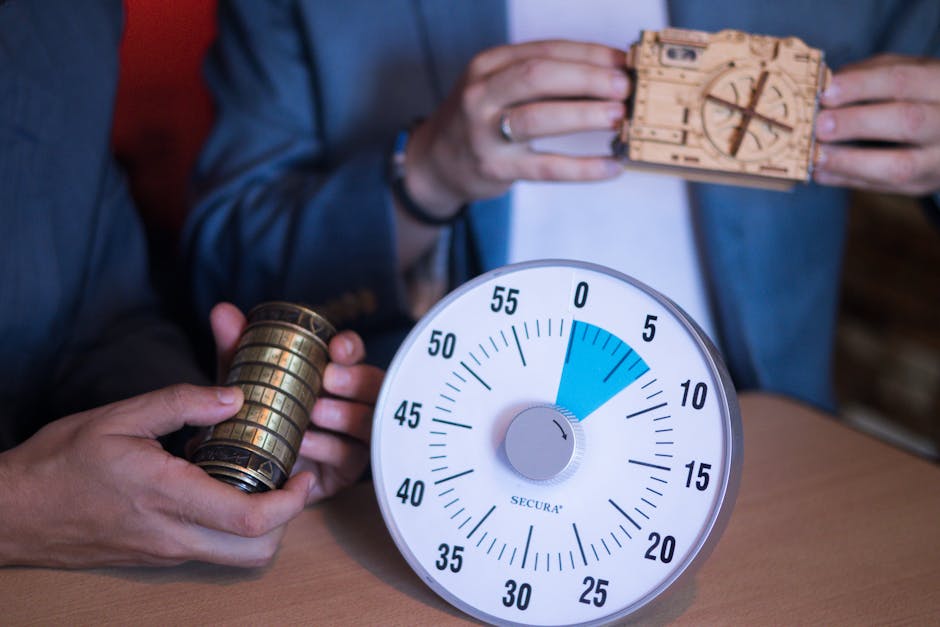
This encourages metacognition and critical thinking, moving beyond shallow recall. My timer (yes, the one I keep in my pocket!) helps me keep explanations brief and on point.
Step 5: Integrate Student Question Writing for Ownership
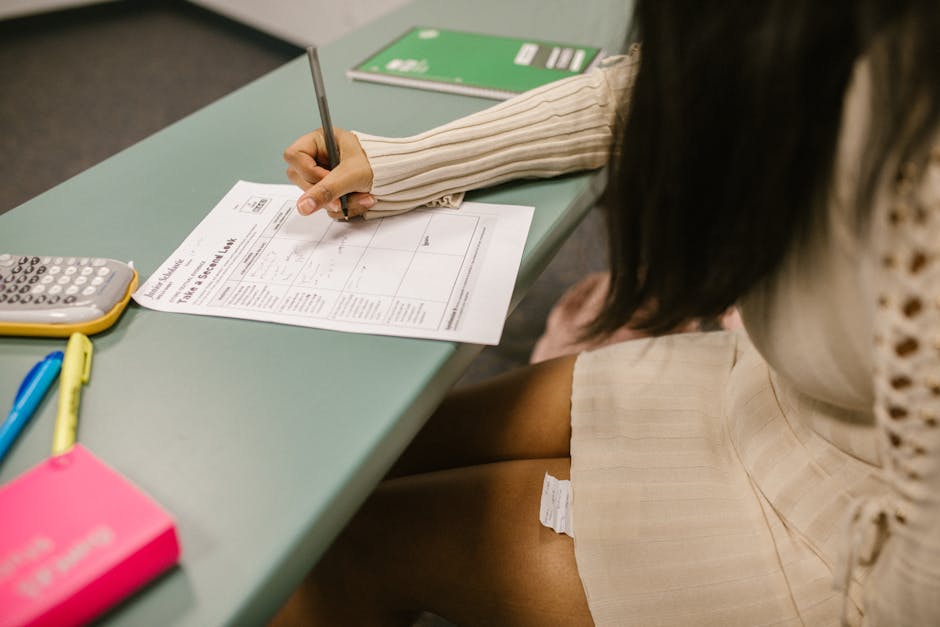
As the session progresses, invite teams to write their own review questions based on the material. Rotate these questions into the challenge rounds or use them for milestone checks.
- Assign teams to develop one question after they reach certain milestones. Ensure questions require explanation and reflection, not just recall. Use these student-generated questions as part of the next review cycle.
This empowers students by recognizing them as knowledge creators and increases their investment in the material.
Putting It All Together: Sample Review Session Flow
Intro (5 mins): Explain goals, set rules, assign roles, introduce level tracker. Team Challenge Round 1 (15 mins): 5 questions, simultaneous reveal, scoring for answers and explanations. Milestone Check (5 mins): Brief reflection where teams write one new question each. Team Challenge Round 2 (15 mins): Include student questions; allow teams to identify errors in others. Wrap-up & Reflection (5 mins): Discuss progress, highlight effective explanations, assign question writing for next time.Why This Method Outshines Traditional Review
Traditional Review Progress Indicator Review Teacher-led Q&A with some students answering rapidly Team-based simultaneous reveal protects think time and involves all students Rereading notes or reviewing worksheets Active retrieval reinforced by explanations and error analysis No visible tracking or progress markers Visual board progress or level tracker fuels motivation and ownership No student-generated content Students write questions, building ownership and metacognition Focus on right answers only Scoring rewards explanation and error identificationFinal Tips for Success
- Limit Instructions: I always keep instructions under three bullets. This keeps students focused on what matters most. Use Your Timer: Protect think time to keep discussions purposeful and prevent dominance by any one student. Keep Activities Meaningful: Avoid loud but shallow activities. The goal is depth, not volume. Regularly Reflect: After sessions, ask students why certain answers are right or wrong to deepen understanding.
Conclusion
Setting up progress indicators for review sessions requires thoughtful planning but pays off in increased student engagement, deeper learning, and a classroom environment that values thinking, reflection, and collaboration. By using team challenges with simultaneous answer reveal, scoring that rewards explanation and error spotting, and encouraging student question writing, you can transform your review sessions from passive to powerful.
Give these strategies a try in your next review, and watch how your students’ ownership of their learning soars along with their understanding.